Understanding Brick Damage Causes and Repair Solutions
Bricks are a popular building material because they last long. They add charm to homes and buildings. Yet, over time, bricks can show signs of wear and damage. This could be due to weather, poor installation, or not keeping up with maintenance. Knowing why brick damage happens is key to finding the right fix. Let’s explore common causes of brick damage and how repairs can help keep your structure strong.
Impact of Weather on Bricks
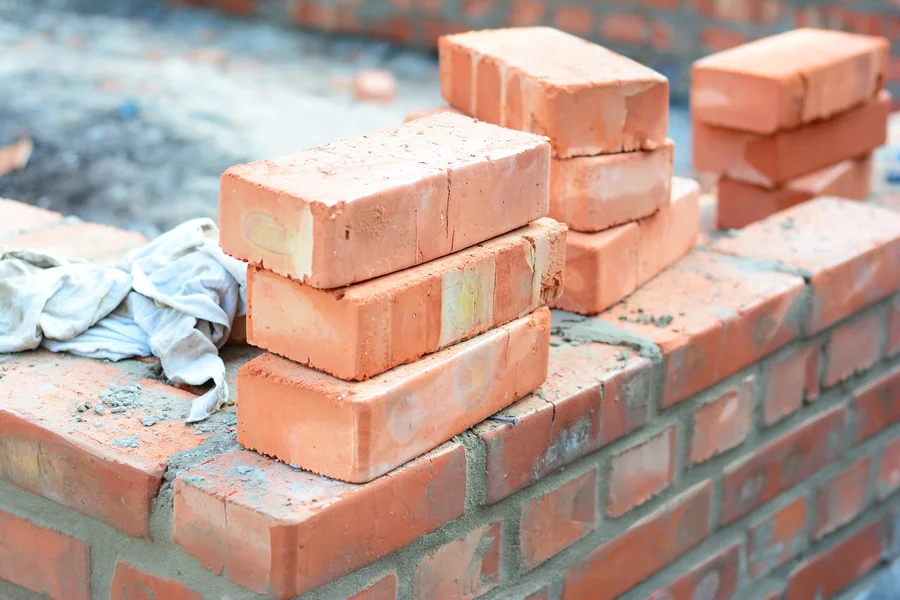
Weather plays a big role in brick damage. Rain, snow, and ice can cause bricks to crack and break down. Water seeps into small cracks, freezes, and then expands. This process can make the cracks bigger, leading to more serious issues. In hot climates, bricks can suffer from thermal stress. Sudden changes in temperature cause expansion and contraction, weakening the bricks over time.
The Role of Poor Construction Practices
Brick repair may become necessary if the original construction was poorly done. If bricks are laid improperly, or the mortar mix is incorrect, it can lead to weak structures. Such practices make walls unstable and susceptible to damage. It’s crucial to follow best practices during construction to ensure that bricks serve their purpose effectively.
Lack of Regular Maintenance
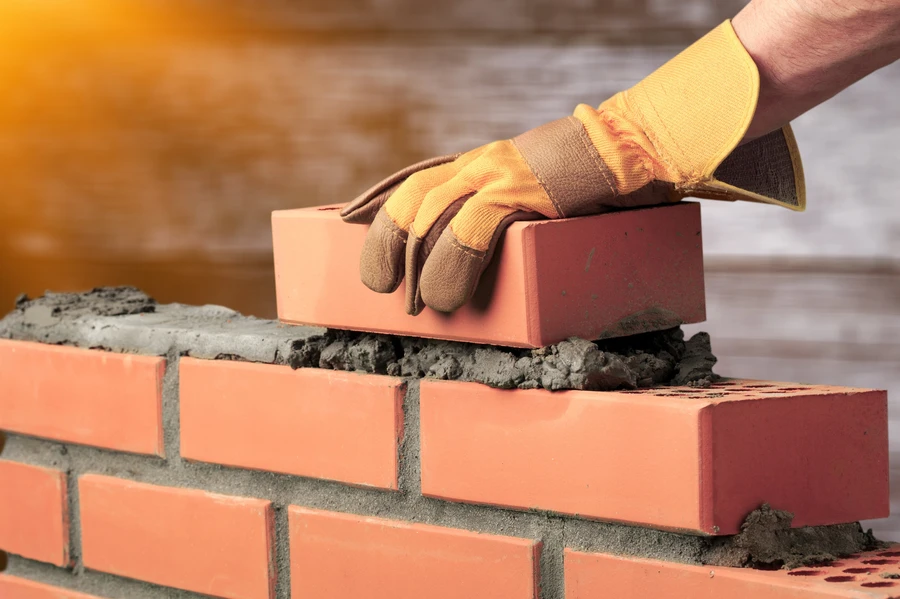
Ignoring regular upkeep can lead to various problems. Routine checks help catch small issues before they become major headaches. Without maintenance, minor cracks grow larger, allowing moisture into the structure. Performing regular inspections can prevent these issues. Brick repair helps address existing problems while safeguarding against future ones.
Biological Growth: A Hidden Threat
Moss, algae, and mold often find home in damp environments. These organisms don’t just look unsightly-they also trap moisture against brick surfaces. Over time, this can weaken the masonry and cause structural harm. Removing biological growth promptly keeps your bricks healthier longer.
Foundation Shifts: an Underestimated Concern
As the foundation of a building shifts, it takes the bricks with it. These movements can cause severe cracking and destabilize structures. Foundation shifts might occur due to soil settling or poor drainage systems around the building. Addressing these issues swiftly through proper leveling and drainage solutions reduces further damage risk.
Repairs as a Solution to Common Problems
Repairing damaged bricks involves removing compromised materials and replacing them with new ones. The first step is identifying areas needing attention. Next comes carefully removing broken bricks without harming surrounding ones. Finally, new bricks are laid using durable mortar mixtures designed for longevity.
- Inspect your brickwork regularly for early signs of trouble.
- Ensure correct mortar mix ratios during installations.
- Keep drainage systems clear to avoid water pooling around foundations.
- Tackle biological growths like moss promptly to prevent moisture retention.
- Address foundation issues swiftly by consulting experts when needed.
Cost Considerations for Brick Repairs
The cost of repairing bricks varies based on several factors. The extent of damage, the type of bricks used, and labor charges all contribute to overall expenses. While fixing cracked or damaged bricks may seem costly upfront, it saves money long-term by preventing more severe structural failures down the line.
Your Trusted Partner for All Brick Needs
If you’re facing brick-related challenges in Rockford, IL, contact me today at (815) 822-7564 for expert assistance. JL Masonry offers reliable solutions tailored specifically for your needs-ensuring longevity and quality results every time.